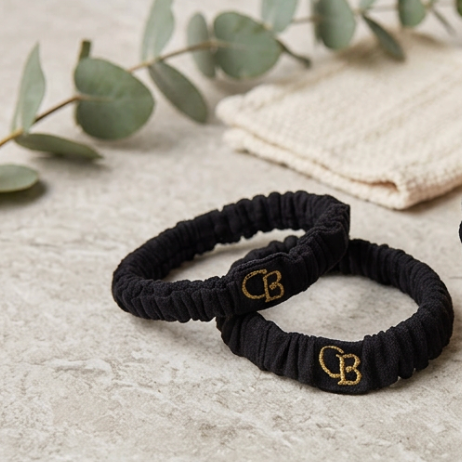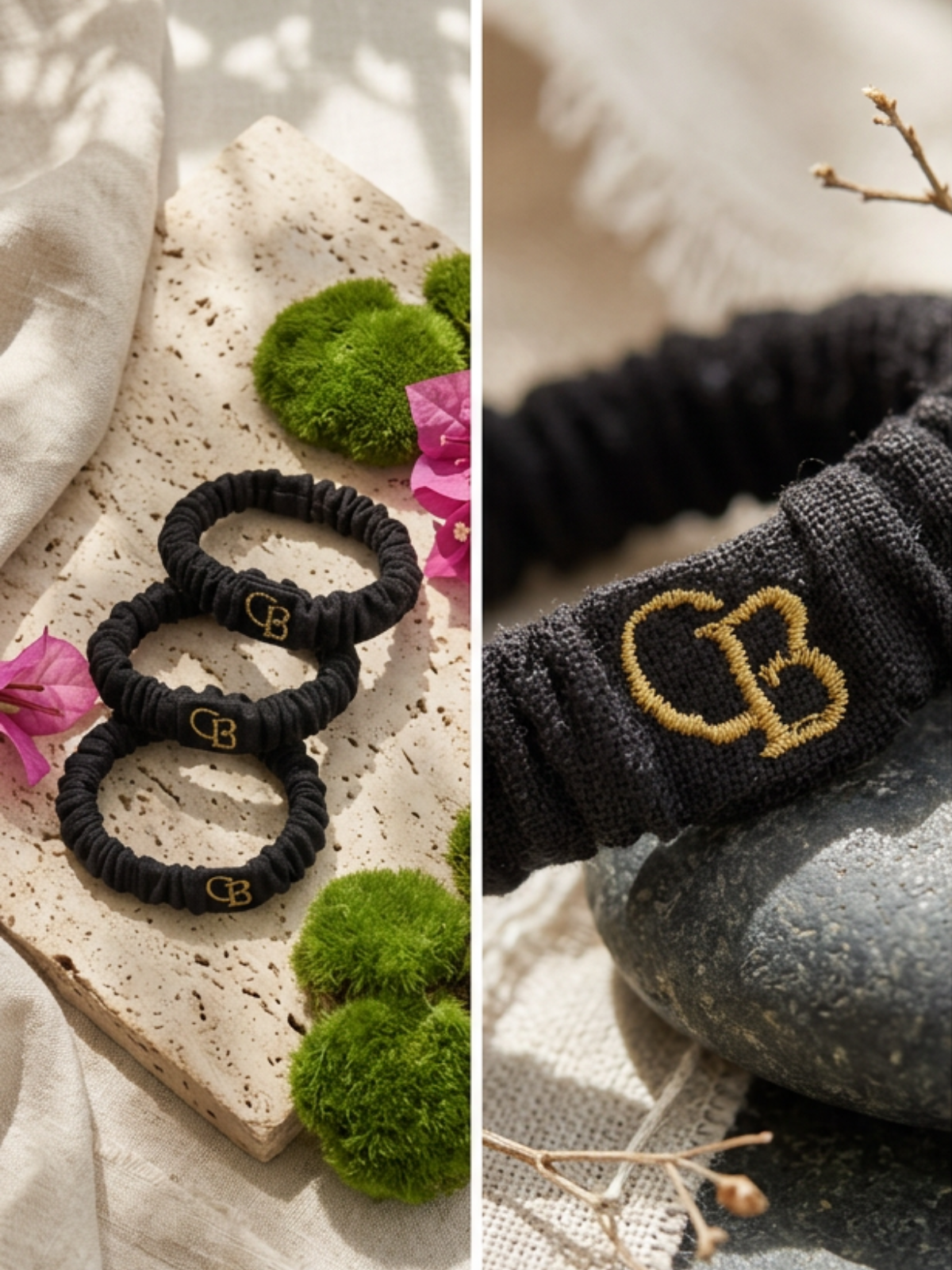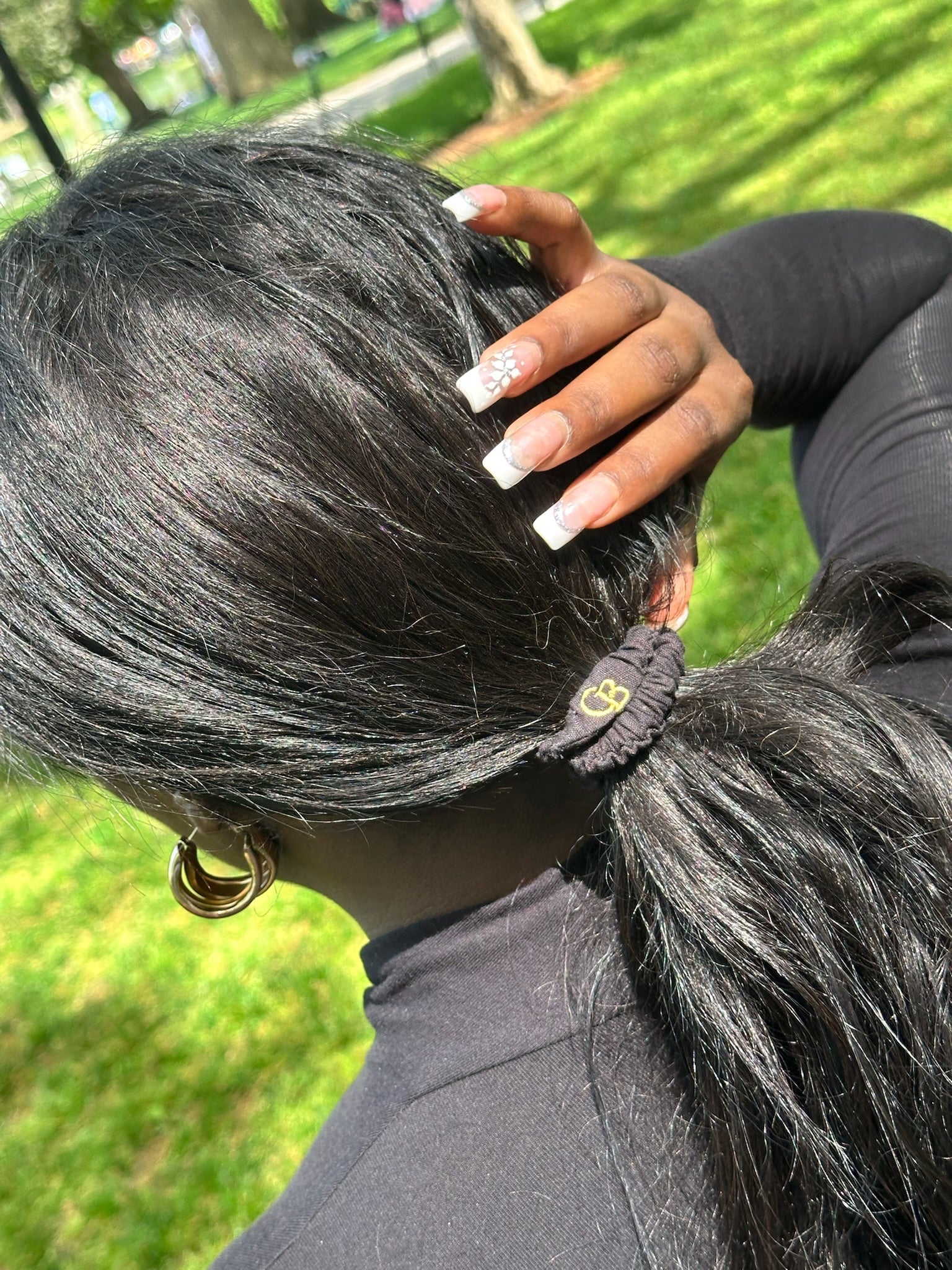
Why Plant-Based Rubber Makes the Strongest Hair Tie
Natural rubber's coiled polymer chains give hair ties real stretch and memory, so they spring back to size and resist snapping far longer than cheap plastic-coated elastics that grow brittle and stretch out. No band survives direct heat from straighteners, but natural rubber handles everyday warmth and washing well, which is why a good tie can last close to a year instead of a few weeks.
Key Takeaways
- Natural rubber gets its hold from long, coiled polymer chains that uncoil under tension and snap back to size, giving hair ties a stretch and memory cheap plastic-coated elastics lack.
- Plastic bands grow brittle and crack as they dry out, while natural rubber flexes instead of cracking, so it survives far more pulls before it gives.
- A natural rubber tie can last close to a year against a few weeks for drugstore plastic, so the savings build up over time.
- No elastic handles direct heat from straighteners or curling wands, but natural rubber holds up to everyday warmth and washing without turning tacky or stiff.
People hear "plant-based" and picture something flimsy. A soft little band that gives up after a week. That picture is wrong, and the reason sits in the chemistry of natural rubber. Natural rubber comes from the sap of the rubber tree. It has held up car tires and surgical gloves for a century. Wrap that same material around a ponytail, and you get a grip that lasts far past the cheap plastic bands most people grab at the drugstore. The right hair tie keeps its grip wash after wash. Here is why.
The Molecular Structure of Natural Rubber
Natural rubber forms from long, coiled polymer chains. When you stretch it, the chains uncoil. Let go, and they snap back to where they started. That spring-back is what gives rubber its stretch and its memory. Cheap synthetic hair ties often use a thin plastic-coated elastic instead. The plastic does not recover the same way. After enough pulls, it stays loose. A natural rubber hair tie keeps its shape because the chains want to return home every time you let them.
Defeating the Snap
You know the moment. You wrap the tie twice, go for a third, and it splits in your hand. Mass-market elastics snap because the plastic inside grows brittle as it ages and dries out. It cracks under tension, but it used to handle fine.
Natural rubber resists that. It flexes instead of cracking, so it takes far more pulls before it gives. A tie with a natural rubber center bends with you rather than fighting you, and that flex is what keeps the whole thing in one piece.
Holding its Shape Over Time
Stretch a cheap tie a hundred times, and it turns into a sad loose loop. The plastic has taken a set and won't bounce back, so you toss it and reach for another.
Natural rubber handles repeat stretching much better. Its springy chains keep pulling the band back to size, use after use. That is the quiet reason a good tie can last close to a year while the drugstore kind lasts a few weeks. The savings add up faster than you would guess.
A Straight Word on Heat
Hair ties encounter heat more often than most people realize. From warm blow dryers to hot bathrooms and styling routines, elasticity depends on a material's ability to maintain its shape under everyday conditions.
Natural rubber performs well under normal daily heat exposure, helping the hair tie retain its flexibility and spring over time. While no elastic material is designed for prolonged direct contact with hot styling tools such as straighteners or curling wands, natural rubber is less prone to becoming stiff, brittle, or misshapen through routine use than many low-quality synthetic alternatives.
The result is a hair tie that continues to deliver reliable hold and stretch even after months of regular wear.
Consistent Performance Day After Day
Another advantage is consistency in everyday conditions. Whether it is exposed to humidity, sweat from a workout, or regular washing, natural rubber maintains the flexibility that helps it hold hair securely. That same flexibility also reduces rigid pressure points, making the tie more comfortable to wear and less likely to tug or snag delicate strands during removal.
So is Plant-Based Really Stronger?
For the job, a hair tie actually does, holding firm and springing back through daily pulls, natural rubber beats cheap plastic on the measures that count. Strength here is not toughness for its own sake. It is a band that still works on day three hundred.
That is the case for switching. A natural rubber center and a pineapple fiber blend cost a little more up front and outlast a whole drawer of snapped plastic bands. See how the Hair Halo holds up for yourself on the Ciao Bella site.