How Ciao Bella Makes a Hair Tie From Pineapple Leaves
Ciao Bella turns discarded pineapple leaves into plastic-free hair ties that last close to a year, skipping the microplastics and hair breakage that come with conventional options. The San Diego brand also gives 5% of proceeds to environmental causes like the Surfrider Foundation.
Key Takeaways
- Ciao Bella makes hair ties from pineapple leaf fibers — agricultural waste that would otherwise be burned or discarded after harvest.
- The mechanical fiber extraction process avoids harsh chemicals, producing a clean, natural thread that sits gently against your hair and scalp.
- Unlike plastic ties, these hair ties don't shed microplastics or pinch and break hair, and they last close to a year.
- 5% of proceeds goes to environmental causes, currently the Surfrider Foundation and its work on the Tijuana sewage crisis.
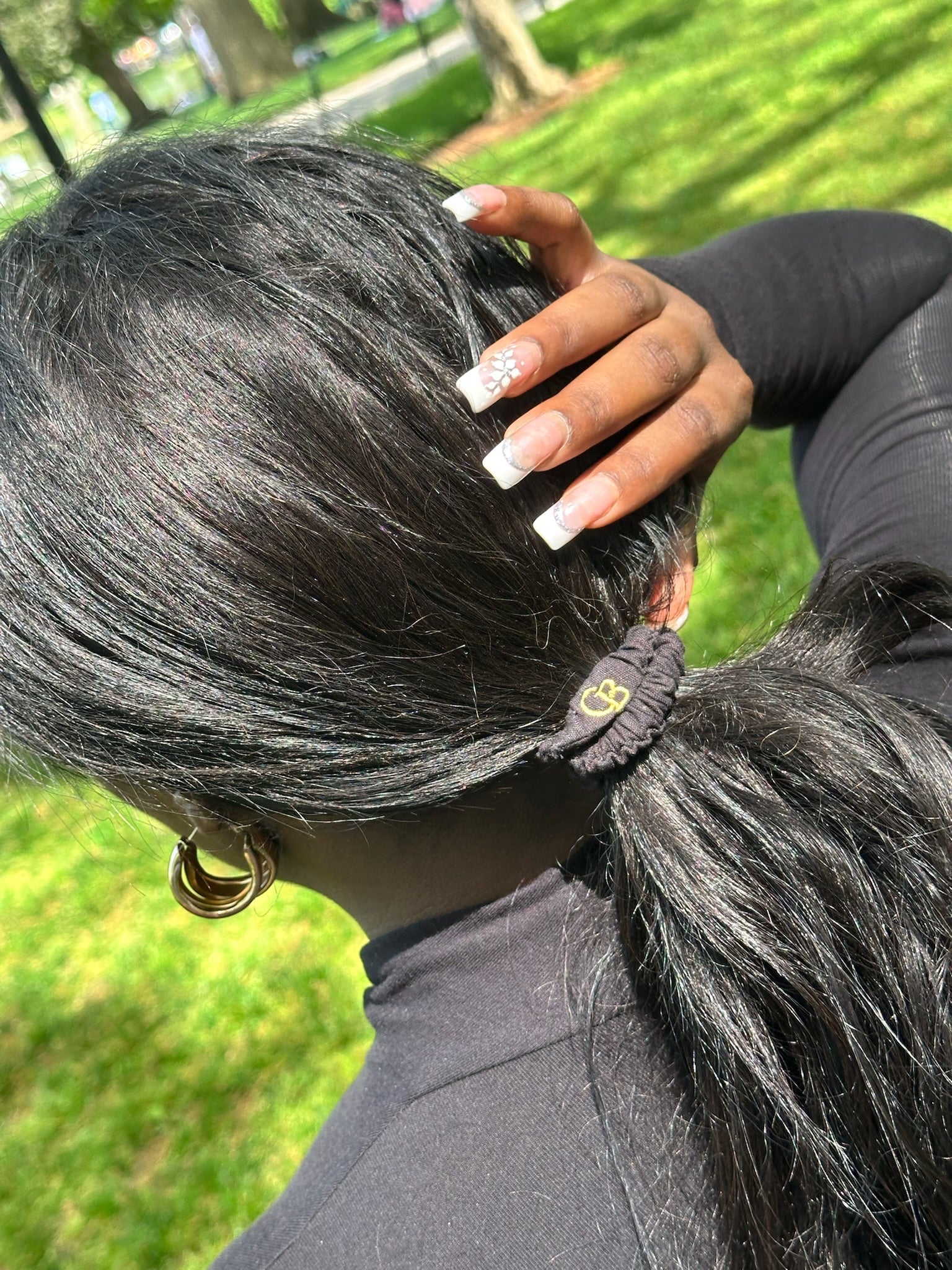
Most start out as plastic. They snap and crease your hair, and they pile up in landfills by the billion. Ciao Bella took a different route. The San Diego brand builds its version from pineapple leaves, the part of the plant that growers usually toss once the fruit comes off.
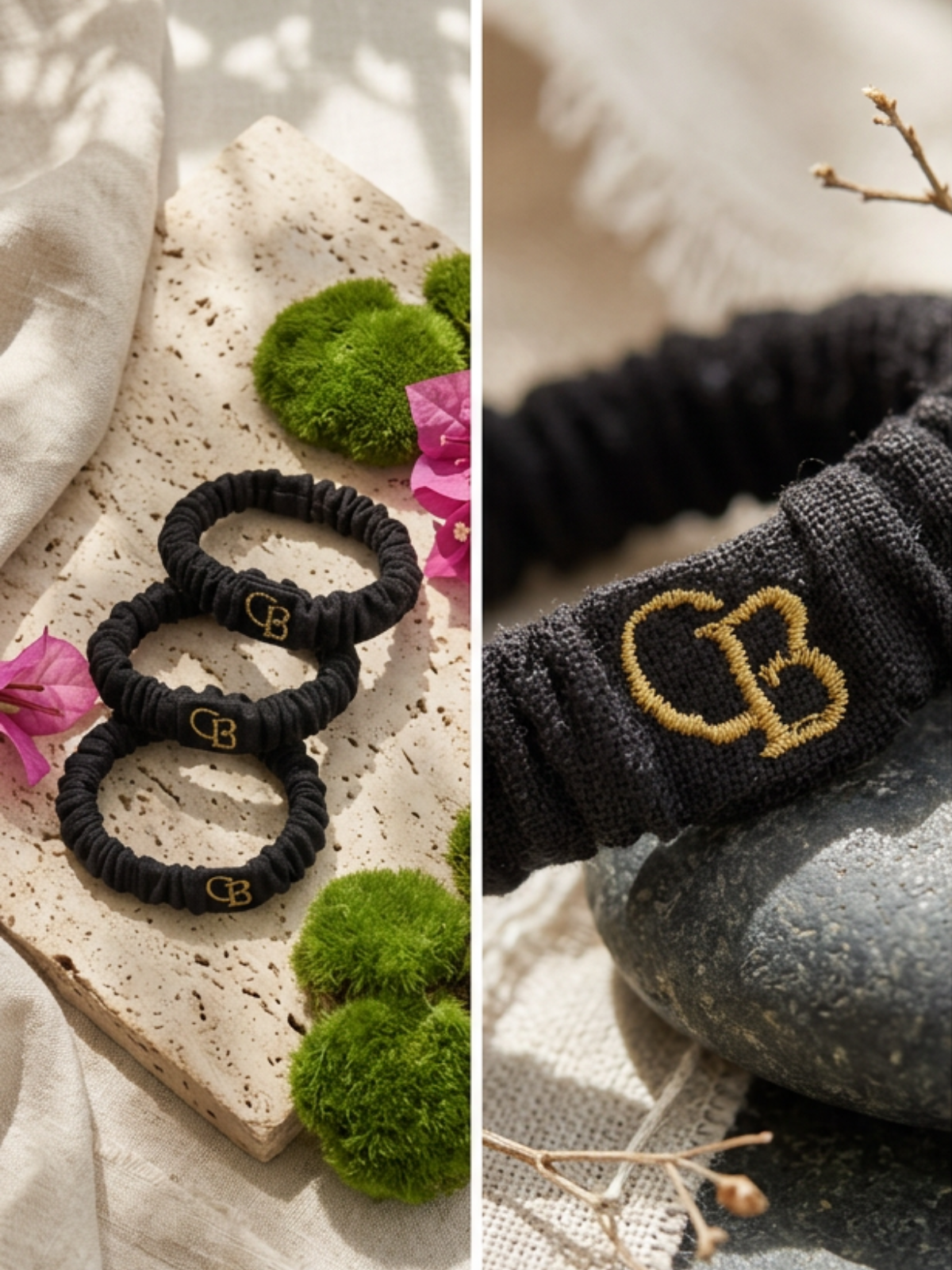
That choice sits at the center of everything the brand makes. One product, done with care, instead of a shelf full of cheap throwaway plastic. This hair tie is the whole company. Here is how a discarded leaf turns into something you can wear for close to a year.
Sourcing the Raw Material
Pineapple farming leaves a lot behind. After harvest, the long spiky leaves stay in the field as waste. Most get burned or left to rot. Those same leaves hold strong natural fibers, and that is where Ciao Bella's fabric and their eco-friendly hair ties begin.
Pulling fiber from this waste means the raw material asks very little of the planet. No new land. No thirsty crop is grown just for textiles. The leaf already exists as a byproduct of the food you eat, so the brand gives it a second life, whether as fabric or as a durable hair tie, instead of letting it go to the burn pile.
Extracting the Plant Fibers
Getting fiber out of a leaf is older than you might think. The common method is mechanical. Machines or workers scrape the soft green pulp away and leave the tough strands behind. Textile people call this decortication.
The goal is to keep the fiber long and strong. Harsh chemicals can break down the cellulose and weaken it. A gentler scrape protects the length, and length is what gives the finished yarn its hold. Skip this care, and you end up with a brittle thread that frays.
Washing and Refining the Strands
Fresh fiber still carries bits of plant, so it gets cleaned. A wash lifts away leftover pulp and dirt. Then the strands dry and get combed straight.
This step matters for what touches your hair every day. Clean fiber means no odd smell and no synthetic coating sitting against your scalp. What you get is closer to a natural thread than to anything that came out of a plastic pellet.
Spinning Into High-Performance Yarn
Once the fibers have been cleaned and aligned, they are prepared for spinning into a usable yarn. This stage transforms individual plant strands into a more consistent material that can withstand daily wear and repeated stretching. Maintaining fiber strength throughout the process is important because it directly affects how well the finished hair tie performs over time.
The resulting yarn combines the natural durability of pineapple leaf fiber with the flexibility needed for everyday accessories. Rather than relying on petroleum-based materials, the process makes use of a renewable plant resource while preserving many of the characteristics that make natural fibers appealing.
Constructing the Ultimate Eco-Friendly Hair Tie
Creating a hair tie requires more than simply producing a strong yarn. The material must also feel comfortable against hair, maintain its shape throughout the day, and resist the snapping and stretching that often shorten the lifespan of conventional hair ties.
By focusing on quality materials and thoughtful construction, Ciao Bella aims to create a product that can handle daily use while remaining gentle on hair. The goal is a balance of durability, comfort, and performance without depending on disposable plastic components that quickly wear out and end up in the trash.
Reducing Waste Throughout the Process
The sustainability story does not begin and end with pineapple leaves. Using agricultural byproducts is one way to reduce waste before manufacturing even starts, giving value to a material that would otherwise be discarded after harvest.
This approach reflects a broader philosophy of making more from less. By extending the useful life of existing resources, products can be created with a smaller environmental footprint than many conventional alternatives. For consumers, that means choosing an accessory that not only lasts longer but also makes use of materials that might never have been used at all.
The result is a simple everyday item with a surprisingly thoughtful origin story. From a discarded leaf in a pineapple field to a durable accessory used day after day, the journey highlights how innovative material choices can reshape even the most familiar products.
Why Does Any of This Matter to You
You probably don't think about your hair tie much. It is a small thing you grab half asleep. But plastic ties shed microplastics as they wear, and they break your hair where they pinch. A leaf-based tie skips both of those problems.
Ciao Bella also gives 5% of proceeds to environmental and community causes, right now the Surfrider Foundation and its work on the Tijuana sewage crisis. So a small purchase reaches a little past your own bathroom shelf.
One leaf a farm would have thrown out becomes something you use every single day. That is the whole point. Want to feel the difference? Take a look at the Hair Halo on the Ciao Bella site and see how a better hair tie holds up.