What Counts as Thick Hair? Density vs. Coarseness vs. Length
"Thick hair" gets used for at least two different traits, and length gets folded in as a third. Some people have a high strand count. Some have wide individual strands. Some just have a lot of hair pulling down on one elastic. Each behaves differently in a ponytail, and each wears out the wrong band in its own way.
Key Takeaways
- Density is how many strands grow per square inch of scalp, and it comes closest to what most people mean by thick.
- Coarseness describes the width of a single strand, so fine hair can still be dense, and coarse hair can still be sparse.
- Length adds weight without adding strand count, which is why long hair strains cheap elastics even when it isn't dense.
Ask ten people what thick hair means, and you'll get ten different answers. A stylist usually means strand count. Your grandmother probably means texture. Both are describing something real, and both get lumped under one word that also covers plain old length. No wonder the label confuses anyone shopping for anything hair-related.
That confusion follows you straight into the checkout cart. Searches for thick hair ties keep climbing, yet most of the products behind those searches treat thick hair as one single problem. It isn't. A dense ponytail and a coarse one stress an elastic in completely different ways, and length changes the math again.
Density Is About How Many Strands You Have
Density counts strands, nothing else. The average scalp grows somewhere between 80,000 and 120,000 hairs, and people near the top of that range have what stylists call dense hair. You can't see scalp through it when it's down. Braids come out fat. Updos need twice as many pins as your friends seem to use.
The quickest home check is the ponytail test. Gather your dry hair into a ponytail and measure the circumference right at the base. Under three inches reads as low density. Around four inches or more puts you firmly in dense territory. You don't need a salon visit for this, just a soft measuring tape and a mirror.
Coarseness Measures the Width of One Strand
Coarseness has nothing to do with how much hair you have. It describes the diameter of a single strand. Pluck one hair and hold it next to a piece of sewing thread. If the strand looks about as wide as the thread, or wider, your hair is coarse. If you can barely see it against the thread, it's fine.
Here's where the confusion usually starts. Fine hair can be extremely dense, and coarse hair can grow in sparse areas. A woman with baby-fine strands and a four-inch ponytail base has thick hair by any practical measure, even though each strand of hers looks fragile next to a coarse one.
Length Muddies the Whole Question
Length adds weight without adding a single strand. Hair that falls past the shoulder blades weighs noticeably more than a bob made of identical hair, and all of that weight hangs off the same small band. So long hair gets called thick when the more honest word is heavy. The difference sounds picky. It matters, though.
Weight also explains why long-haired women burn through cheap ties fastest. Every swing of a heavy ponytail yanks on the band a little more. Plastic-coated elastics with metal clasps stretch out and snap, often within a few weeks of the first wear. The hair didn't fail. The hardware did.
A Five-Minute Way to Sort Yourself Out
You don't need an appointment to figure out your combination. Set aside five minutes on a wash day, once your hair is fully dry, and run through the checks below. Jot the results down, because the combination tells you more than any single answer will. Most women land in more than one category.
Quick checks worth running:
- Measure your dry ponytail circumference at the base to score density
- Compare one plucked strand against sewing thread to judge coarseness
- Note whether your length passes the shoulder blades, since that adds real weight
- Watch how fast a new elastic loosens, which shows how much load your hair carries
Why This Changes the Tie You Buy
Each version of thick strains an elastic differently. Dense hair needs generous stretch and a wide opening, or you'll fight the band on every third loop. Coarse hair resists bending, so a stiff, skinny band leaves ridges where it sat all day. Heavy length demands grip above all, because gravity spends the whole day working against the hold.
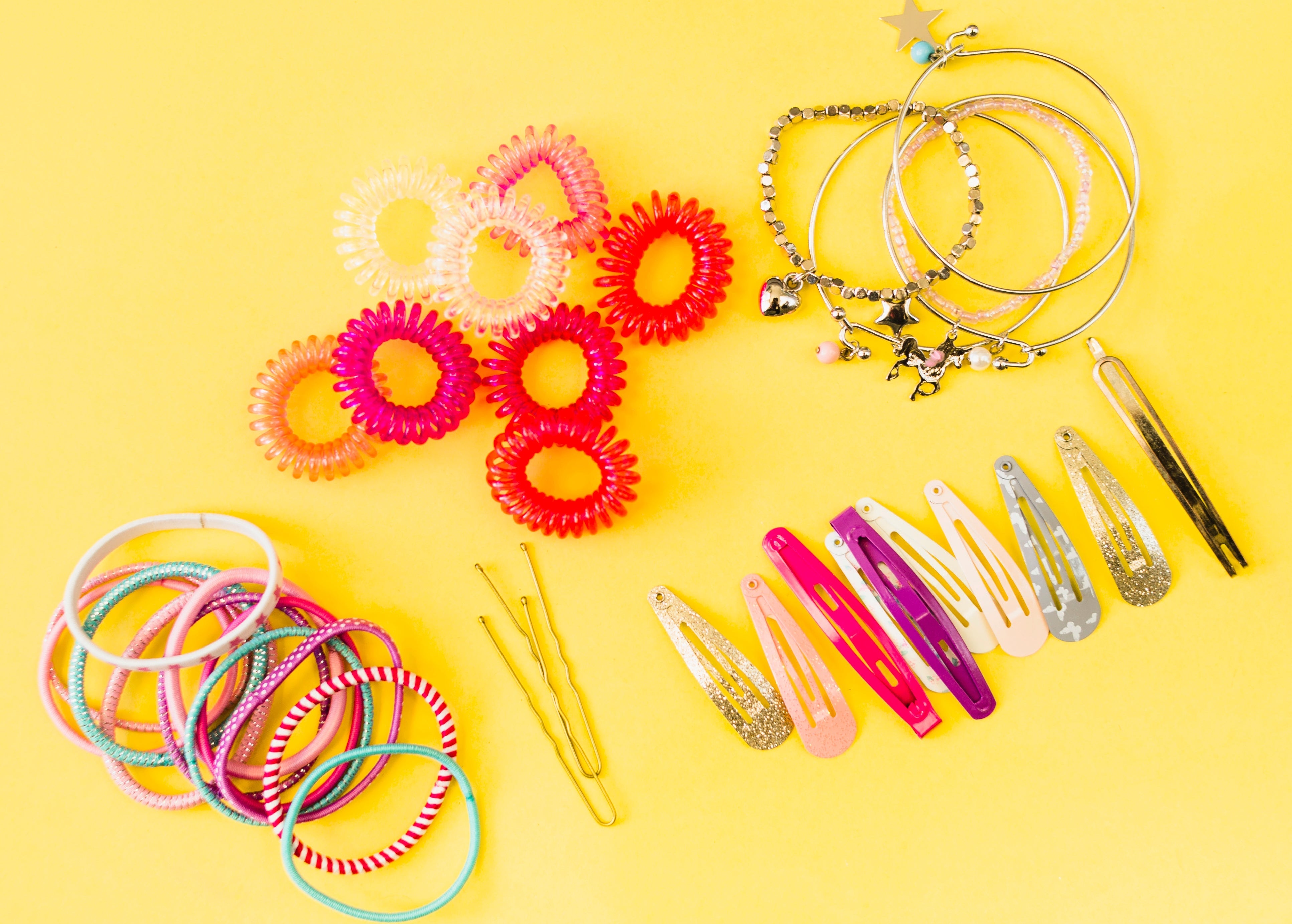
Cheap synthetic elastics answer none of this well. The plastic coating drags against the cuticle, and the metal clasp catches strands on the way out. The band itself loses tension long before the pack runs out. Breakage around the tie line follows, and most people blame their hair instead of the band that caused it.
Better Ties for Every Kind of Thick
Once you can name which kind of thick you have, shopping gets simpler. You stop buying bands built for someone else's head and start judging every product by the one trait that actually strains your elastic. Dense hair needs room, and heavy hair needs grip. Your hair already told you what it wants.
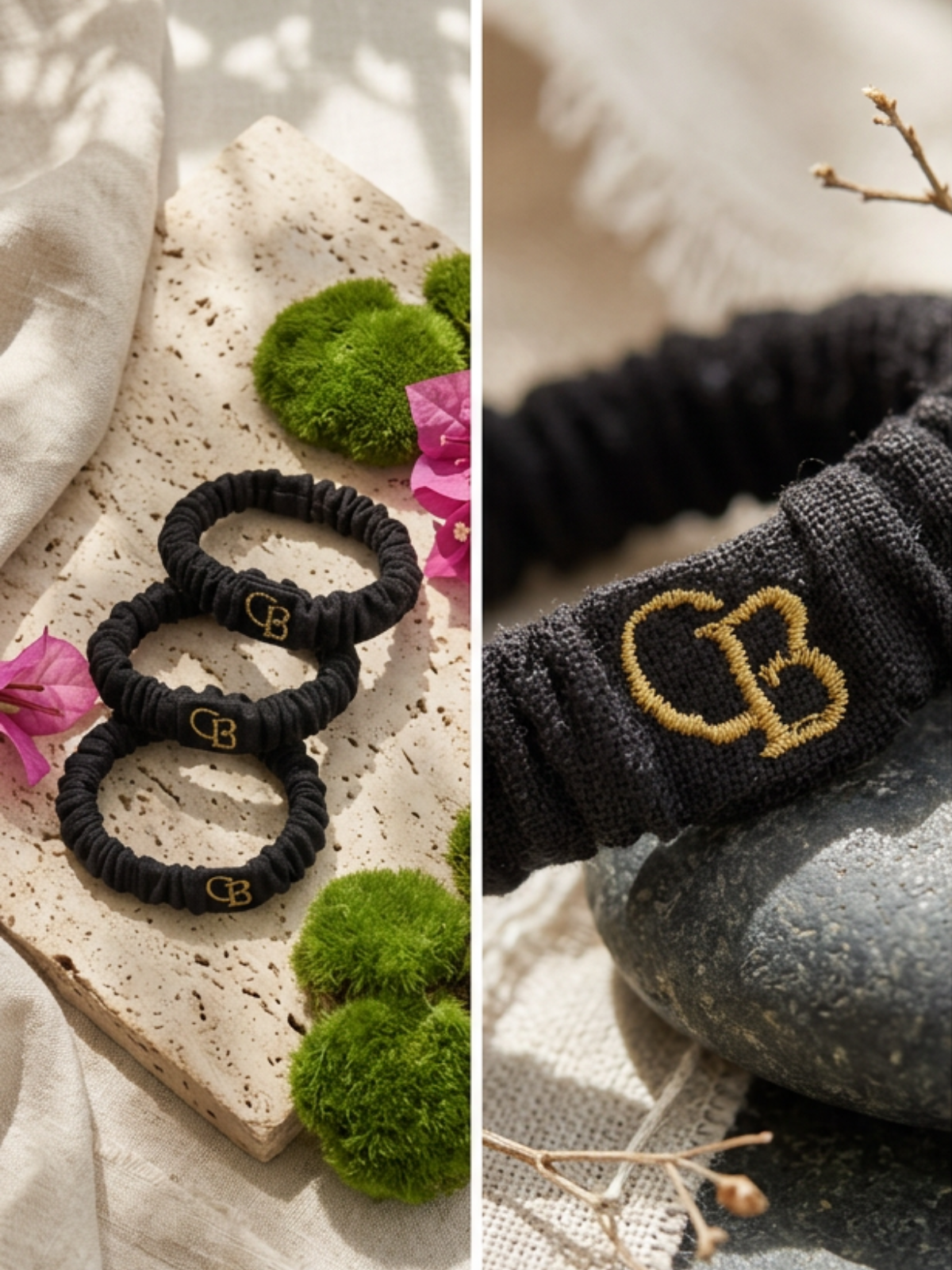
That thinking shaped the Hair Halo™ from Ciao Bella, a plastic-free tie made with an upcycled pineapple-fiber blend, wrapped over natural rubber and cotton elastic. The fibers tighten when damp, and the wide band holds all day without leaving a dent. If a tie snaps within 90 days, Ciao Bella replaces it free of charge. Worth a look before your next elastic gives out.